


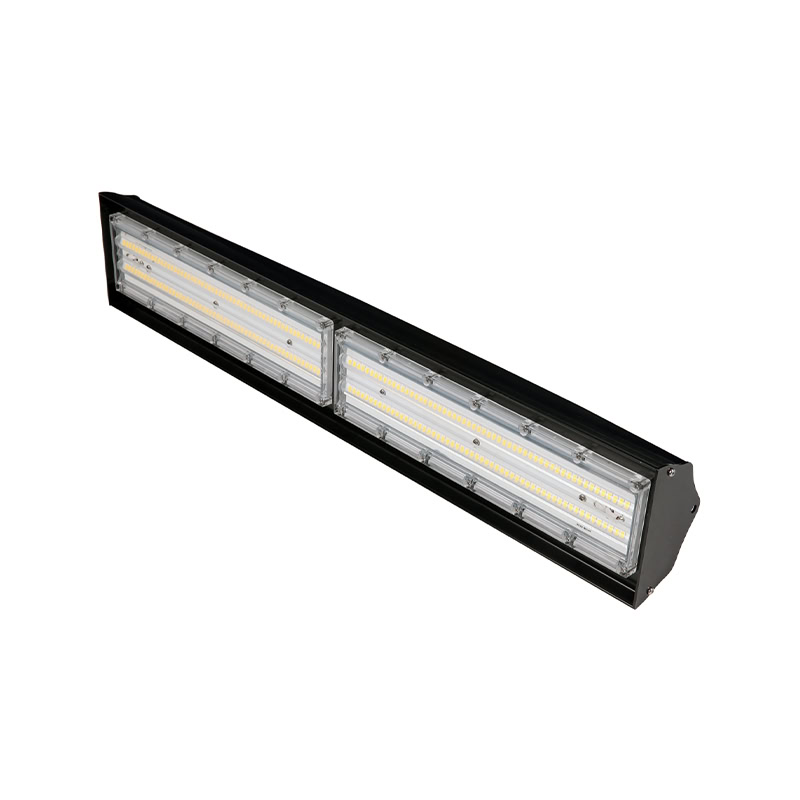
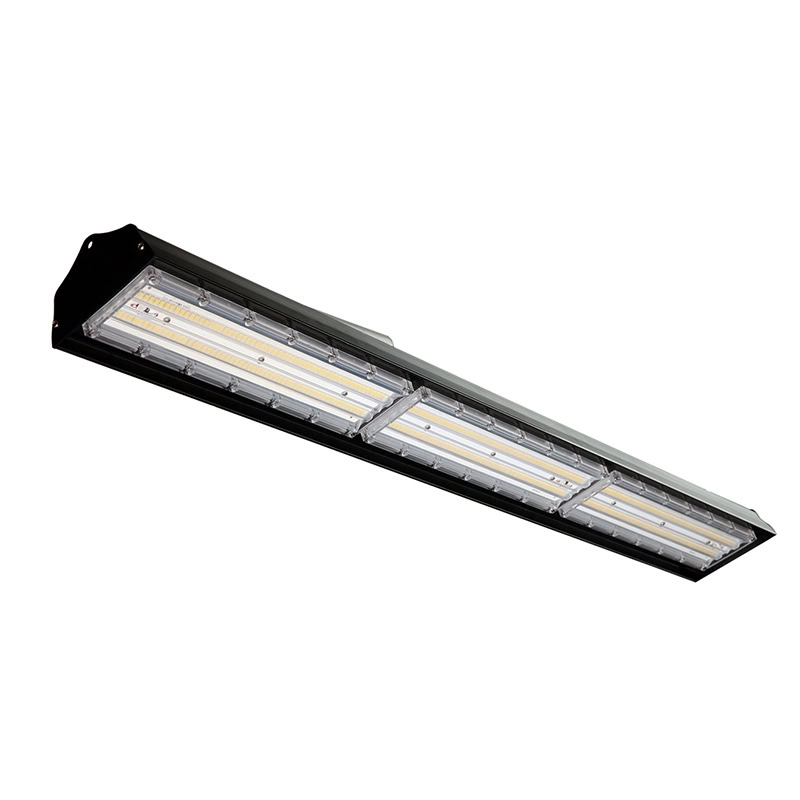
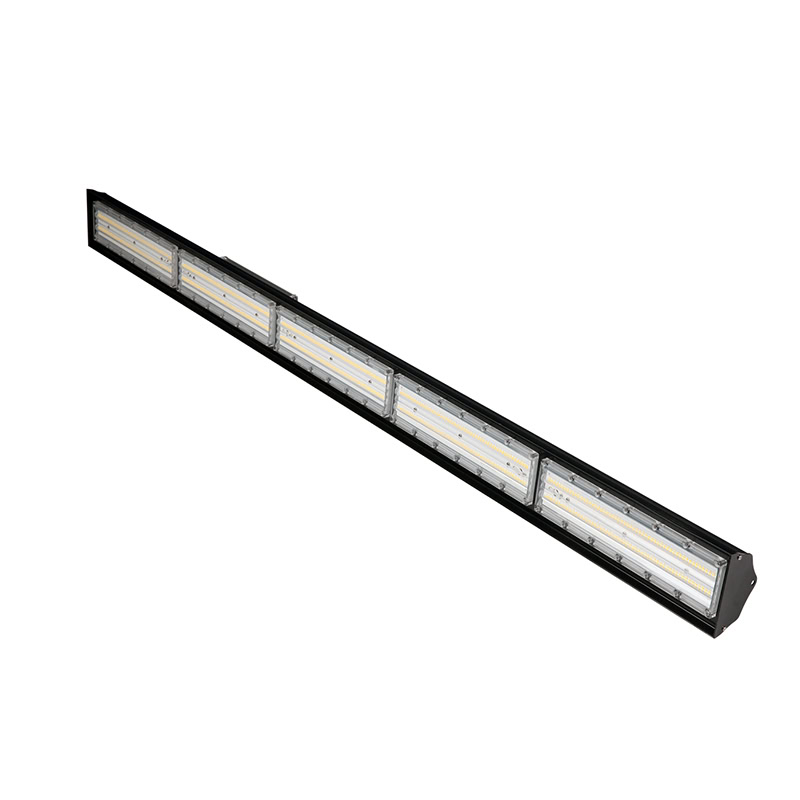
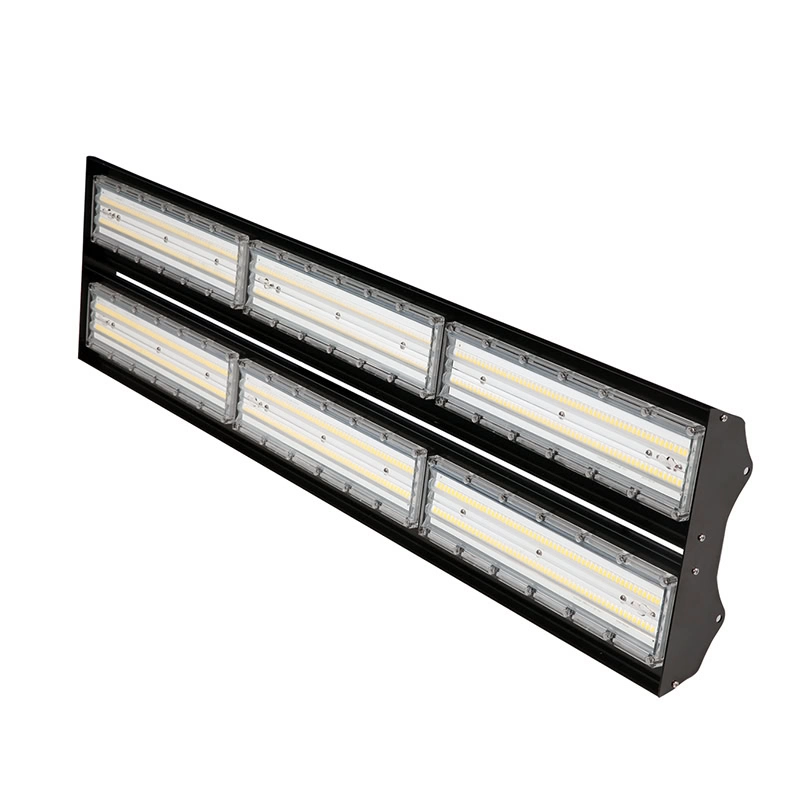


High Bay Light High Quality Material
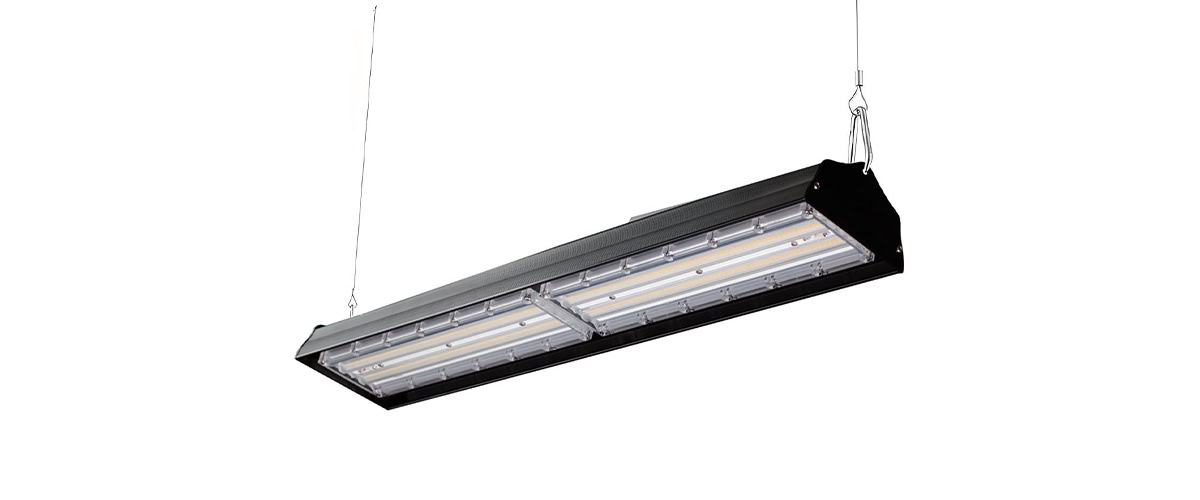
The equipped high-efficiency aluminum substrate features excellent thermal conductivity and electrical insulation.

Drivers Of Linear High Bay Light
Light Source Of Linear High Bay Light
CRI >80 and color temperature (3000K, 4000K, 5000K, 6500K) selection;
There are different lengths and wattage options available, and the luminous efficacy can reach 150lm/w.


Emergency Kits Function Optional
In line with industrial safety standards, suitable for warehouses, workshops, underground mines and other key places.
Beam Angles Of Linear
LED High Bay Lights

Linear LED High Bay
Lights Sizes

ON/OFF Sensors
And Dimming Functions

With insufficient ambient light, the sensor switches on the light when motion is detected.


With insufficient ambient light, the sensor switches on the light when motion is. After elapse of hold time, the sensor dims the light at a low light level if no new.
Accesories For LED
Linear High Bay Lights Option


Datasheet Of
Linear High Bay
Applications In
Different Scenarios


Related Products



Linear High Bay Light FAQs
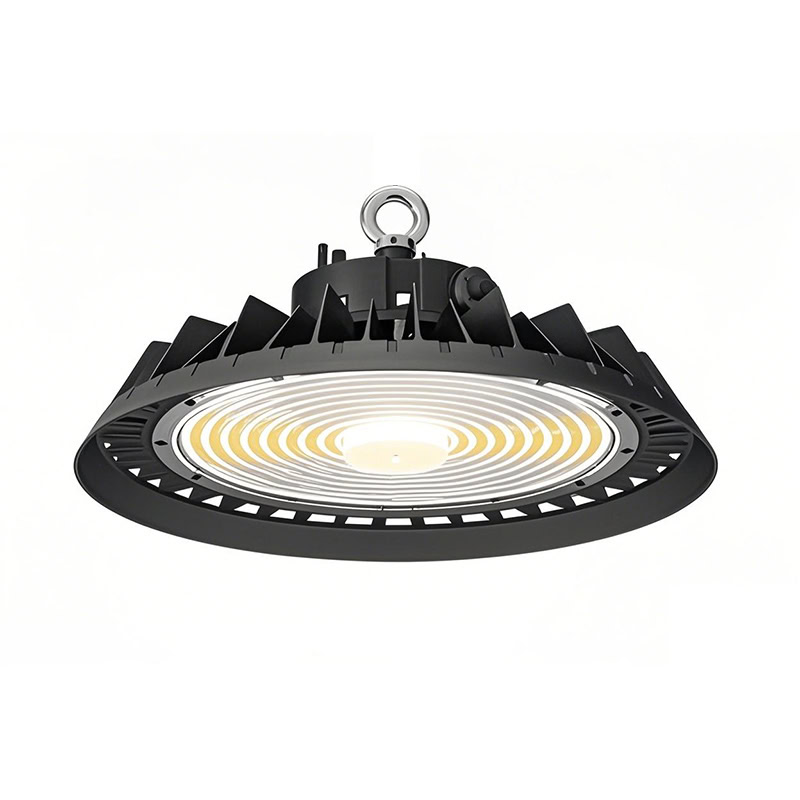
Linear high bay lights are often preferred for aisles, shelving systems, and long work areas because they provide elongated light distribution. UFO high bay lights are typically used in open spaces where circular light coverage is more suitable.
Their beam distribution aligns well with warehouse aisles and storage racks, helping reduce dark spots and improve visibility throughout the facility.
Yes. Linear high bay lights are commonly used in high-rack warehouses because they can deliver more uniform illumination along aisles and picking areas.
Linear high bay lights are widely used in warehouses, distribution centers, manufacturing plants, logistics facilities, retail warehouses, supermarkets, and assembly workshops.
The decision depends on the facility layout. Linear high bays are generally better for aisle-based layouts, while UFO fixtures are often preferred for open industrial spaces.
Storage areas typically require 150–300 lux, while picking, packing, and inspection areas often require higher illumination levels to improve accuracy and safety.
Yes. They provide uniform lighting across production lines, assembly stations, and work areas, helping improve visibility and operational efficiency.
Most industrial facilities choose 4000K or 5000K because these color temperatures provide clear visibility, accurate color recognition, and a comfortable working environment.
Yes. Motion sensors can automatically dim or switch off lighting in unoccupied aisles, helping reduce energy consumption in warehouses and logistics centers.

