
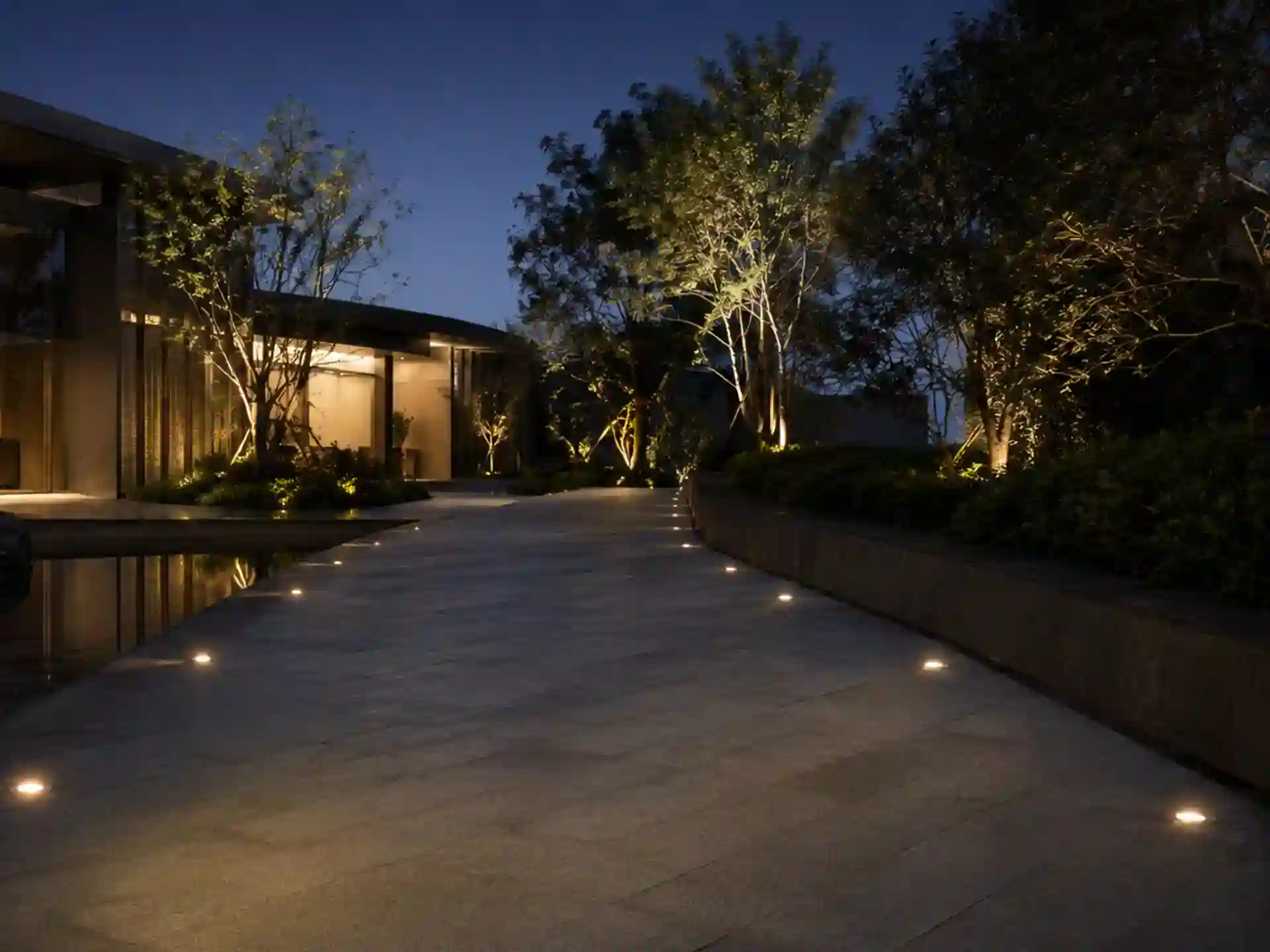
Asymmetric Underground Lighting delivers URG≤16 deep anti‑glare performance, up to 90lm/W efficacy, IP67 & IK10 protection. It supports multi‑protocol dimming, 3‑54W power range and diverse beam angles for durable indoor‑outdoor lighting projects.
Asymmetric Underground Lighting combines directional optical control, multiple beam options, flexible dimming, durable materials, and a wide range of sizes and power configurations for precise outdoor and landscape lighting.
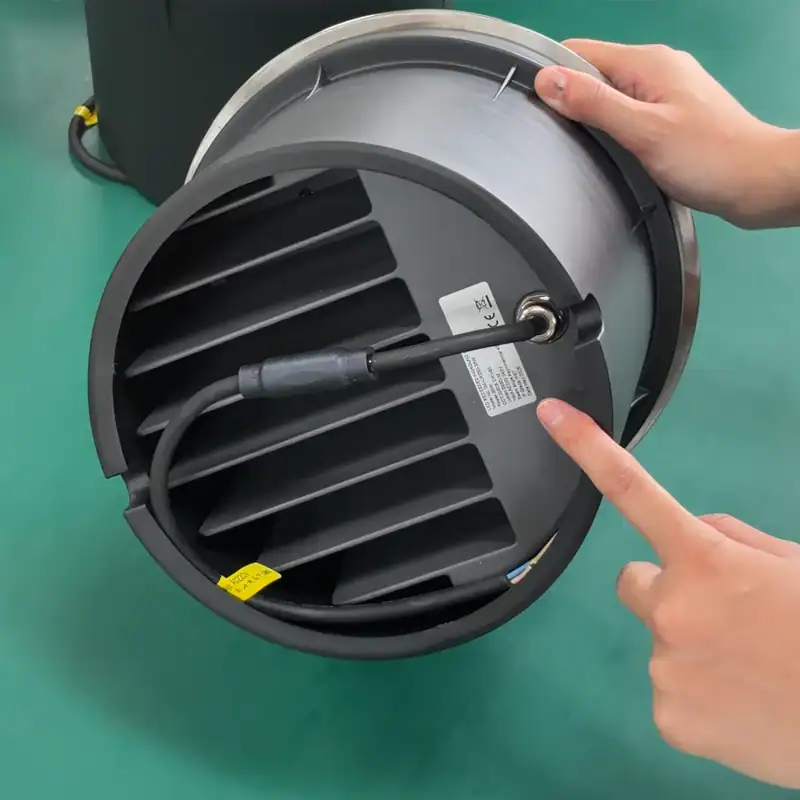
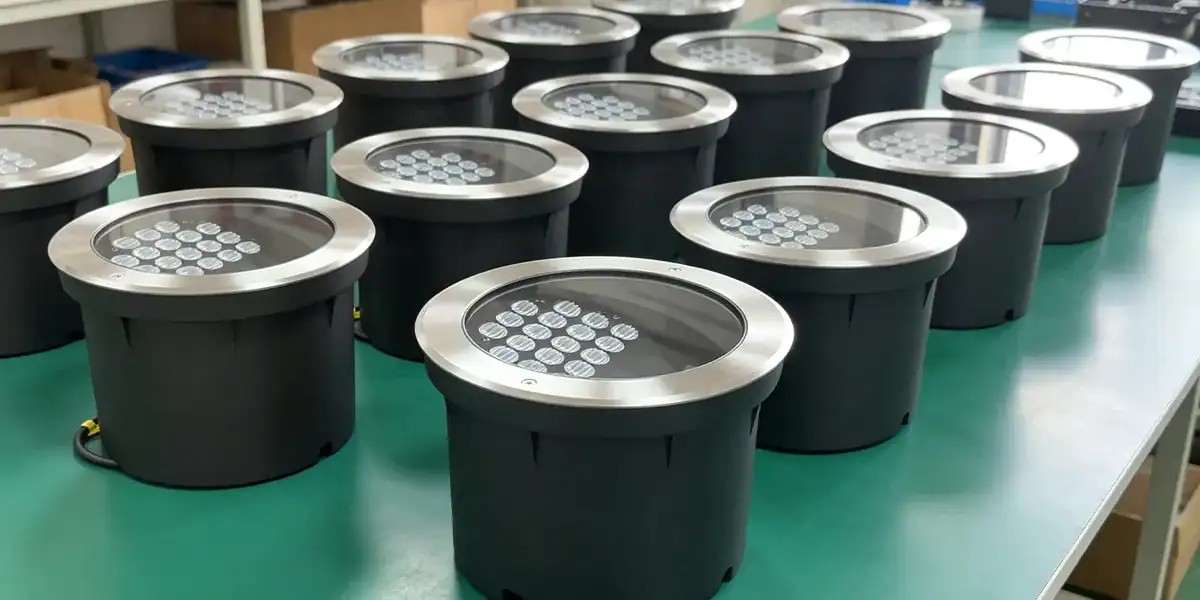
Asymmetric Underground Lighting combine 316 stainless steel with aluminum to form the main fixture structure. The material selection is suitable for outdoor installations where moisture and environmental exposure are concerns. For landscape projects requiring durable underground fixtures, the use of 316 stainless steel provides a more corrosion-resistant material option than standard steel construction.
The Asymmetric Underground Lighting uses tempered glass on selected configurations to protect the optical area while maintaining clear light transmission. Its resistance to impact and weather exposure makes it suitable for outdoor ground-level installations. Combined with the aluminum lamp body, the construction provides a practical solution for landscape and architectural applications where the fixture remains exposed to outdoor conditions.
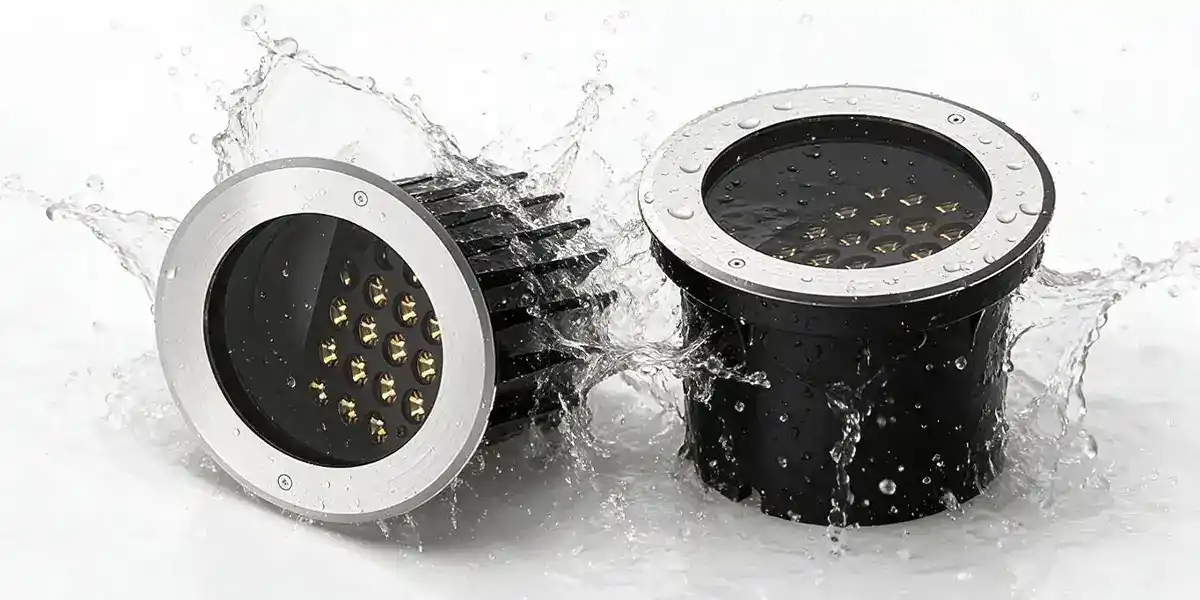
Outdoor underground fixtures need protection against dust and water exposure. Asymmetric Underground Lighting is rated IP67, providing dust-tight protection and resistance to temporary water immersion. This makes the fixtures suitable for landscape paths, plazas, gardens, architectural surroundings, and other outdoor areas where rainwater, moisture, and ground-level exposure are part of the installation environment.
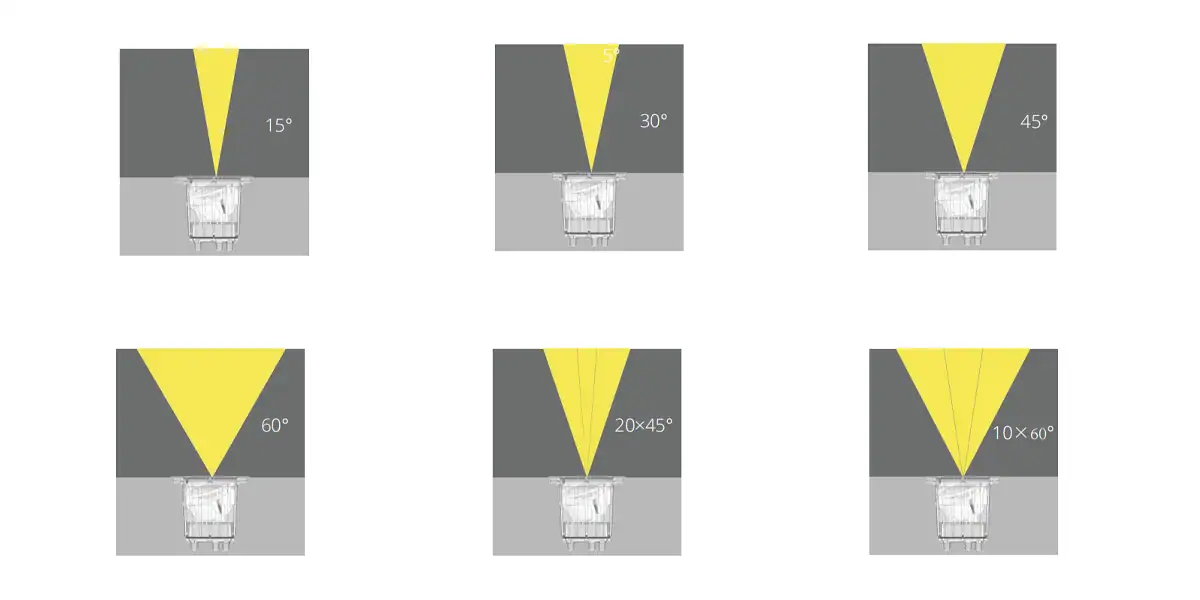
Asymmetric Underground Lighting offers beam angle choices from narrow 15° to wider 60° distributions, allowing the optical output to be matched with different installation distances and illuminated surfaces. Narrow beams can focus light on specific architectural or landscape details, while wider options provide broader coverage for larger target areas without relying on a single fixed beam configuration.
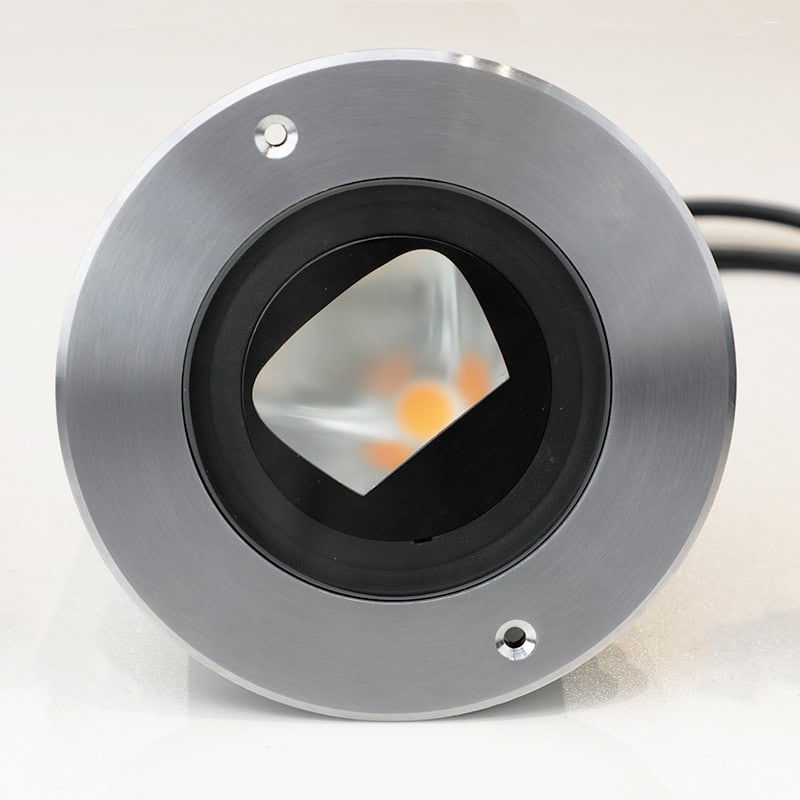
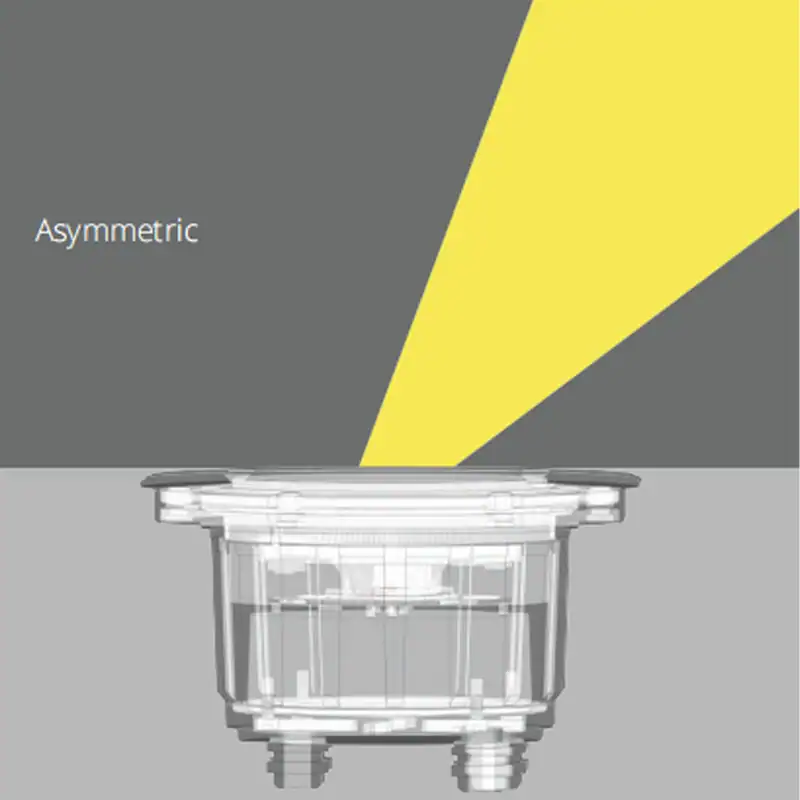
This Asymmetric Underground Lighting uses a 30° polarized optical structure to redirect light toward the intended area. The design is developed for applications where conventional symmetrical output can send unwanted light outside the target zone, helping create more controlled illumination around architectural surfaces, landscape features, and outdoor pathways.
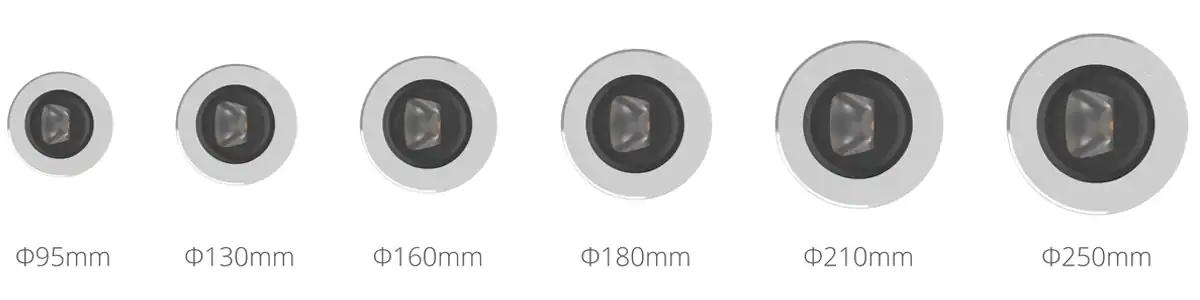
Different projects have different installation spaces and visual requirements. The Asymmetric Underground Lighting range covers diameters from Φ95mm to Φ250mm, with multiple power configurations from 3W to 54W across the available models. This gives contractors more options when matching fixture dimensions and output levels to existing installation openings and project lighting requirements.
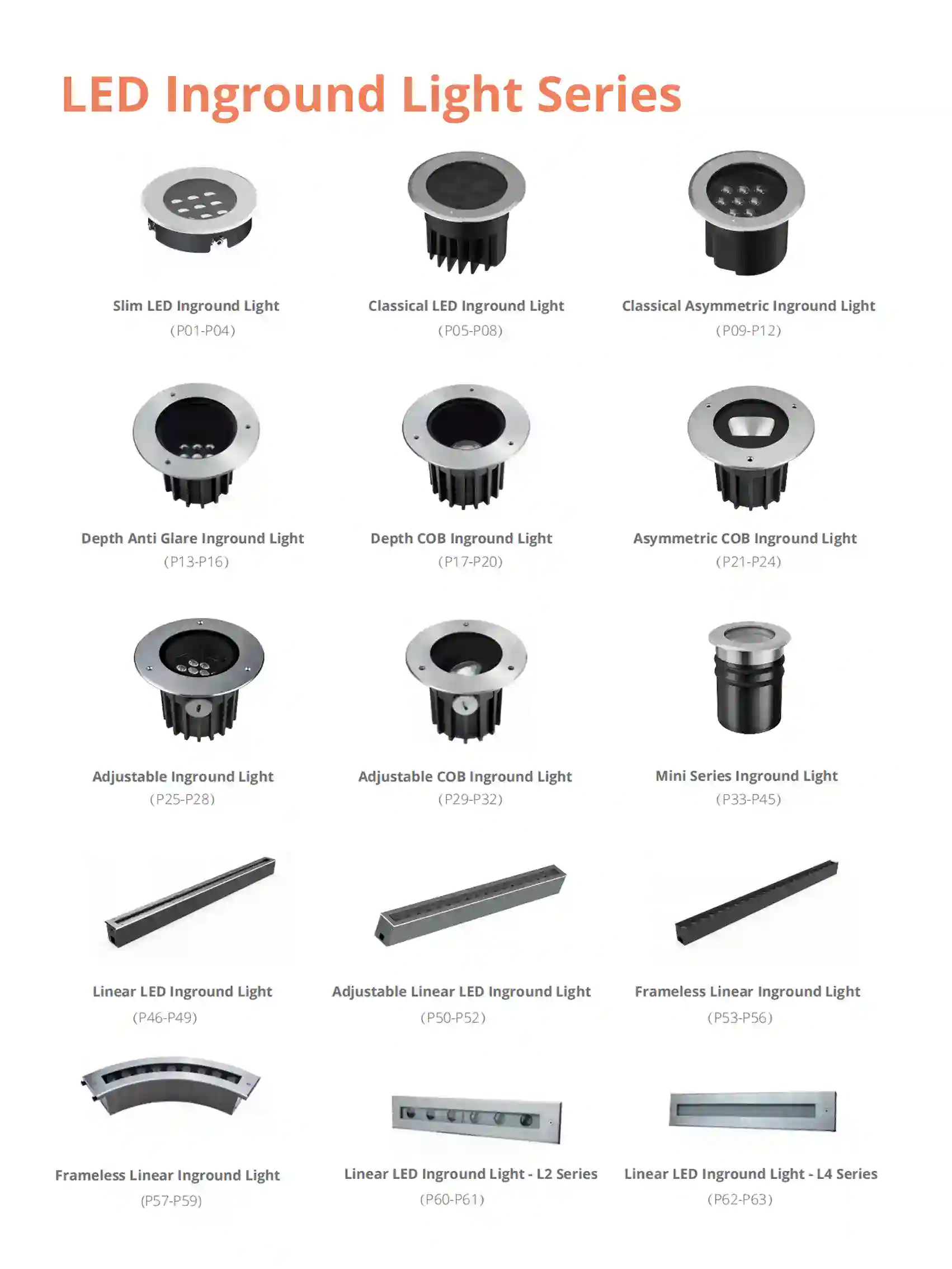
Explore the Asymmetric Inground Light Brochure to find detailed specifications for each lighting model, including power, dimensions, beam angles, light efficiency, materials, voltage, LED source, IP and IK ratings, and available control options. You can also compare different configurations to identify the right Asymmetric Inground Light for your project requirements.

Watch the Asymmetric Underground Lighting videos to get a closer look at the product, its lighting effect, and practical applications. See how its asymmetric design works in real lighting environments and get a better understanding of the product before choosing the right solution for your project.
GS LIGHT combines professional lighting expertise with flexible manufacturing capabilities to support different project requirements. From product selection and customization to technical communication and project coordination, you can work with a responsive team focused on practical solutions, consistent quality, and efficient cooperation throughout the project process.
㎡
+
Years
+
+


Explore our Asymmetric Underground Lighting projects to see how different lighting solutions are applied across architectural, landscape, and outdoor environments. Review real project applications to find suitable approaches for light distribution, installation, and visual requirements, helping you choose the right solution for your own project.
Asymmetric Underground Lighting is designed for outdoor areas where controlled directional illumination is required, providing targeted light distribution for different architectural and landscape applications:

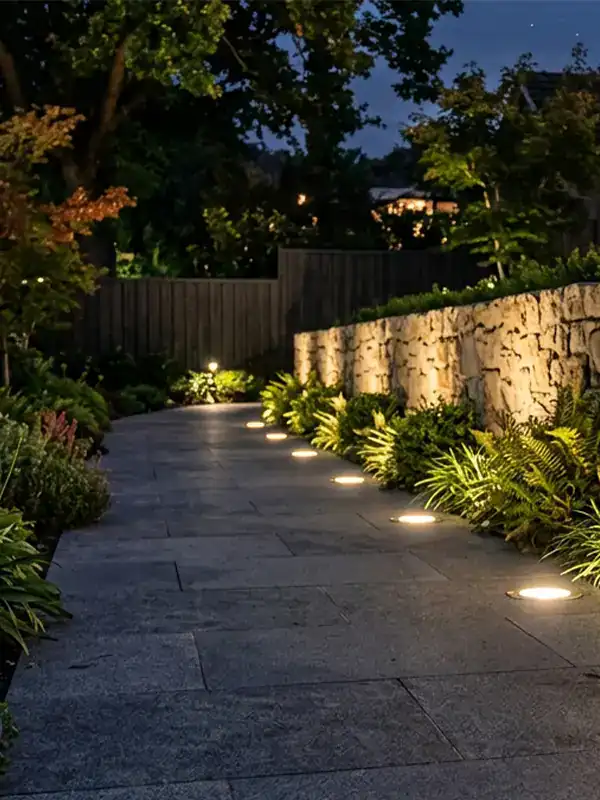

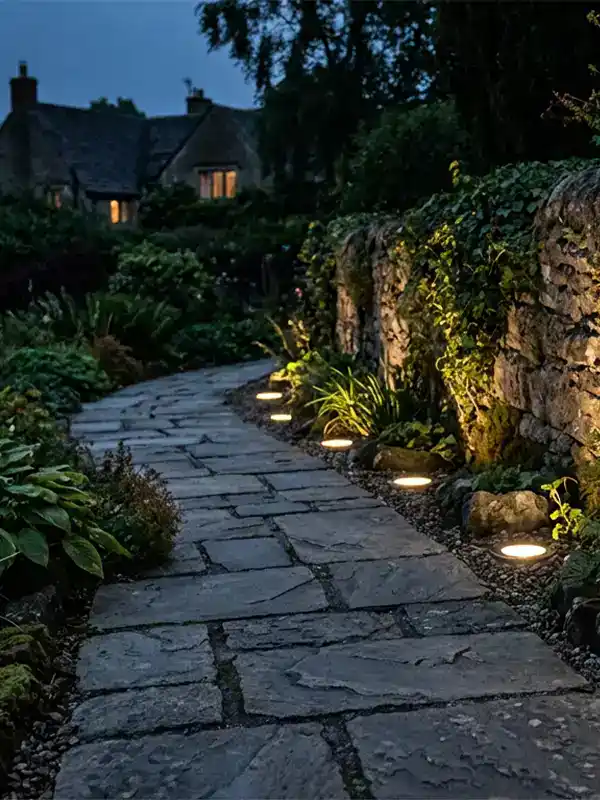
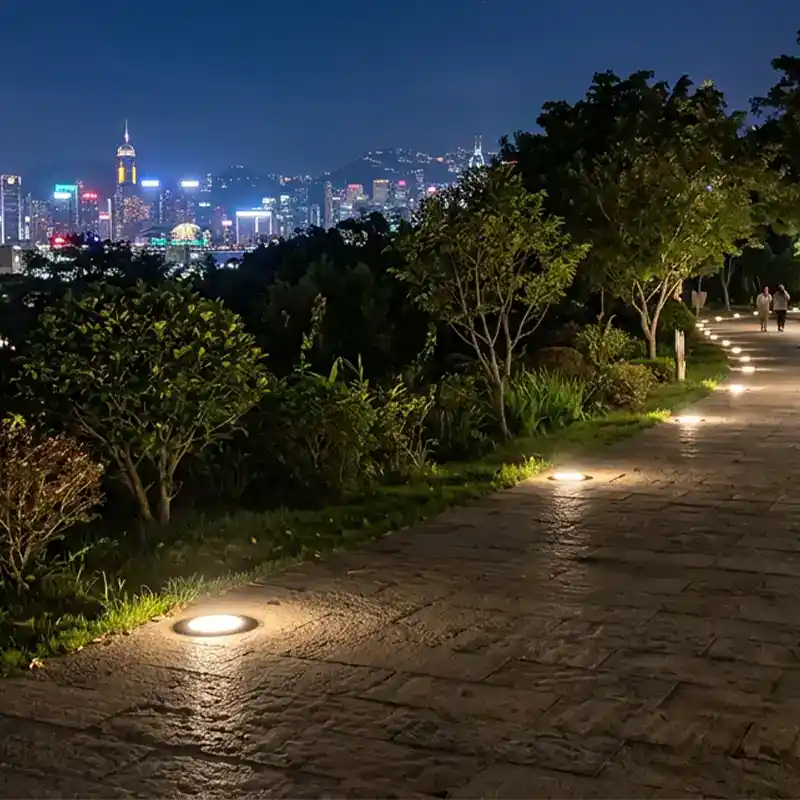

Asymmetric Underground Lighting directs light toward a specific area instead of distributing it evenly in all directions. Its optical design is useful for walls, pathways, landscape edges, and architectural surfaces where controlled directional illumination is required.
Choose Asymmetric Underground Lighting when the light needs to reach a vertical wall or architectural surface from a ground-level installation point. Its directional distribution can help place more light toward the target surface instead of wasting light behind or beside the illuminated area.
Start with the position, distance, size, and orientation of the target surface. Narrow beams are useful for focused areas, while wider or asymmetric distributions can cover larger directional surfaces. The required lighting effect should determine the beam configuration rather than fixture appearance alone.
Selected Asymmetric Underground Lighting configurations support RGB and RGBW options, while DMX512 control is available for dynamic lighting applications. This allows the fixtures to be incorporated into programmed color changes and coordinated lighting scenes for architectural and landscape projects.
Consider the target surface, installation depth, drainage conditions, viewing distance, beam distribution, power requirement, and control system before installation. These factors affect how effectively Asymmetric Underground Lighting delivers the intended lighting effect and how well it integrates with the overall project.
Lighting efficiency is not only about lumen output but also about where the light is delivered. Asymmetric Underground Lighting directs light toward the intended area, while selected models reach up to 90lm/W. Matching the beam distribution and power to the target area can help avoid unnecessary light output.


