Choosing a reliable LED lighting manufacturer requires more than checking product appearance and specifications. Professional manufacturers use LED lighting testing to verify performance, safety, durability, and consistency before products reach your project.
For architectural, commercial, and outdoor lighting projects, product reliability directly affects installation quality, maintenance costs, and the final lighting effect.
When you work with an LED lighting supplier, you need confidence that the fixtures will perform as expected—not only during sample approval but also after thousands of hours of operation.
A professional manufacturer should have a complete quality control system that covers raw materials, production processes, performance verification, and final inspection.
Without proper testing, problems such as color inconsistency, overheating, water ingress, and early failure may appear after installation, creating additional project risks.
A reliable LED lighting manufacturer should control quality throughout the entire production process, not only test finished products.
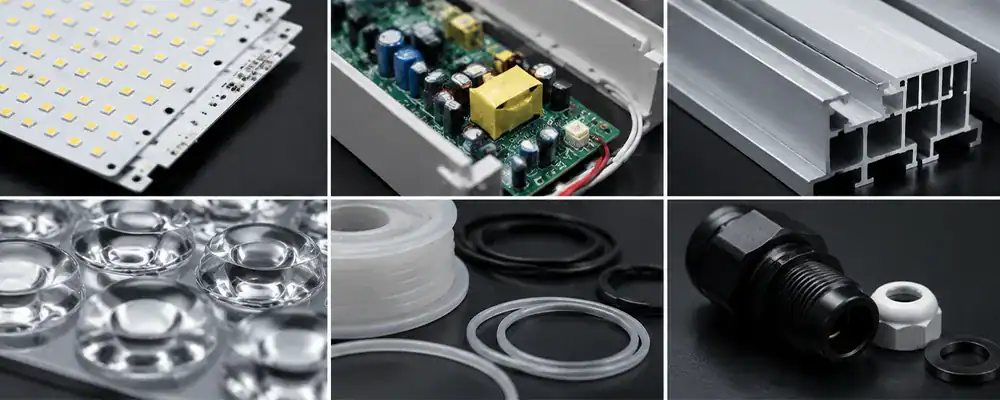
Quality starts with the components used inside the fixture.
Professional manufacturers inspect key materials, including:
For outdoor lighting products, material quality is especially important because fixtures must withstand rain, dust, temperature changes, and long-term outdoor exposure.
A strong incoming inspection process helps ensure that every component meets the required performance standards before production begins.
During manufacturing, quality control should continue through every important step.
Typical inspections include:
For project-based lighting solutions, production consistency is critical. Your project may require hundreds or thousands of fixtures, and every unit should provide the same lighting performance and appearance.
An integrating sphere test is one of the most important optical tests for LED lighting products.
This test measures key lighting parameters, including:
The integrating sphere collects and measures the total light output from an LED fixture, providing accurate performance data.
For your lighting project, this data helps you evaluate whether the product can achieve the required brightness, energy efficiency, and color quality before installation.
A professional LED lighting manufacturer should use integrating sphere testing to verify that production samples and mass-produced fixtures meet the specified performance standards.

While integrating sphere testing measures total light output, photometric testing focuses on how light is distributed.
It evaluates:
This is especially important for architectural lighting products such as:
Accurate photometric data allows lighting designers to create precise lighting simulations and ensure the final visual effect matches the design concept.

Heat management directly affects LED lifespan and performance.
During thermal testing, manufacturers evaluate:
A professional manufacturer should verify that the thermal design can maintain stable operation under continuous use.
For outdoor fixtures installed in challenging environments, effective thermal management helps reduce lumen depreciation and extends product lifetime.


For outdoor LED lighting, corrosion resistance is critical, especially for projects located near coastal areas or high-humidity environments.
A salt spray test simulates harsh conditions by exposing fixtures or materials to a controlled salt environment.
This test helps evaluate:
For applications such as:
salt spray testing helps ensure that the fixture maintains its appearance and structural integrity over years of exposure.

LED fixtures may experience vibration during transportation, installation, or long-term operation.
Vibration testing evaluates whether products can withstand mechanical stress without performance issues.
Typical checks include:
This test is especially valuable for:
A reliable LED manufacturer should ensure that fixtures remain stable from factory shipment to final installation.

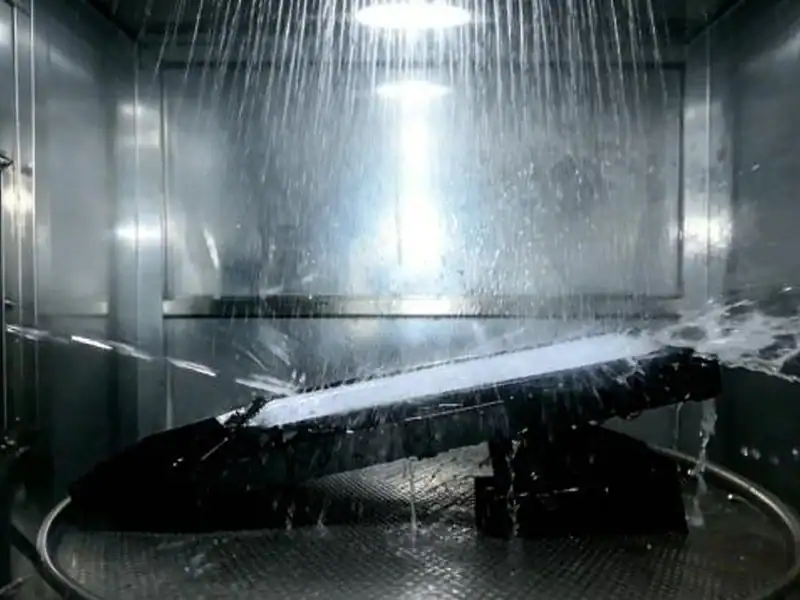
Outdoor lighting products require reliable protection against environmental conditions.
IP testing verifies resistance against:
Common products requiring strict IP protection include:
Proper sealing design combined with testing helps prevent failures caused by moisture, dust, and outdoor exposure.
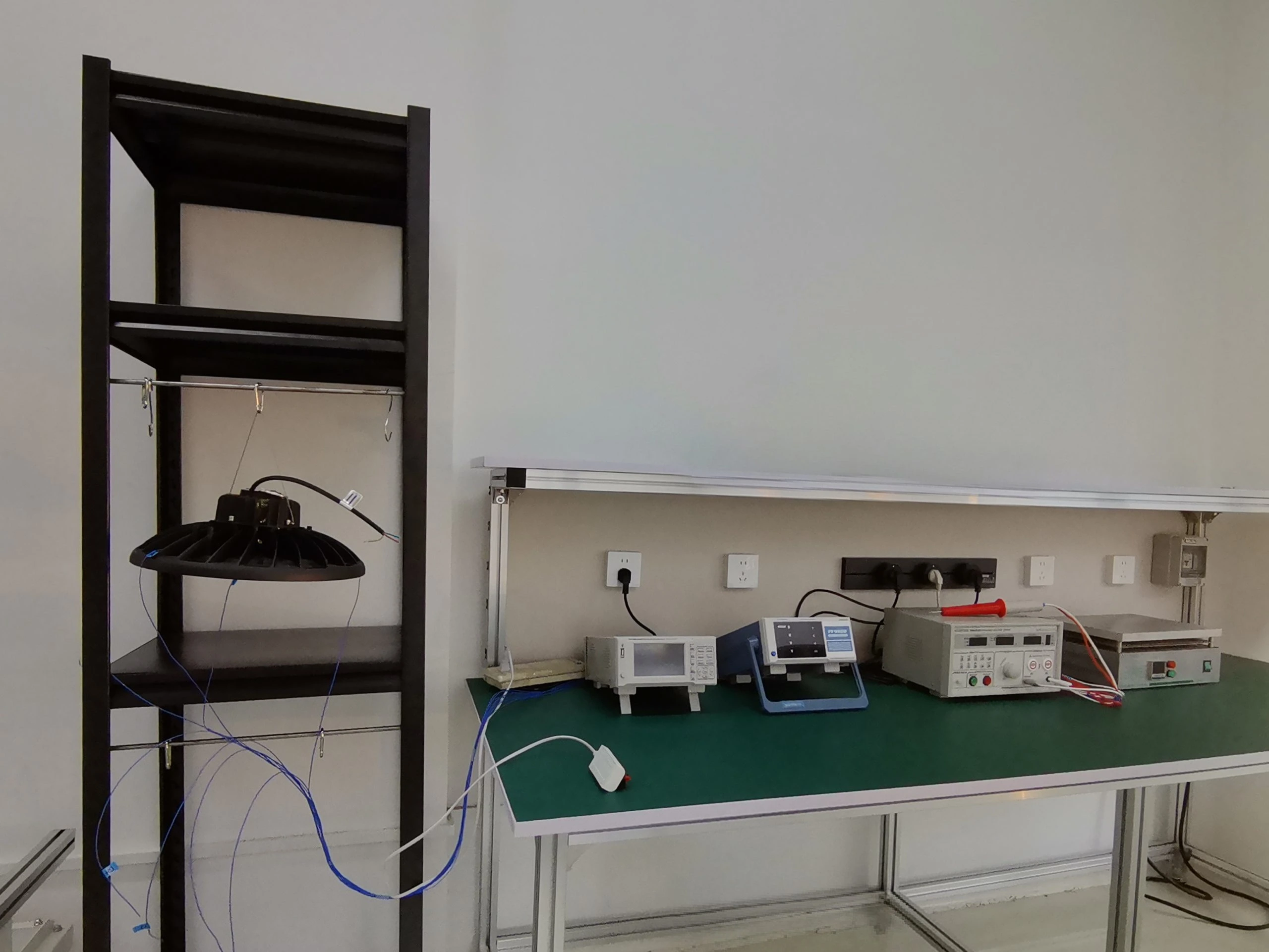
Electrical components directly influence product safety and lifespan.
Professional manufacturers test:
Reliable electrical testing helps ensure safe operation under different working conditions and reduces unexpected failures during projects.
Before delivery, finished products should undergo aging tests to identify potential issues.
During aging testing, fixtures operate continuously to detect:
This final step helps manufacturers improve batch consistency and reduce after-sales risks.

When you choose a manufacturer with complete LED lighting testing procedures, you gain more than a quality product.
You can reduce risks related to:
Reliable testing helps ensure fixtures work correctly after installation, reducing replacement and maintenance work.
Testing verifies that different batches maintain similar brightness, color temperature, and optical performance.
Better quality control helps extend fixture lifespan and reduces the frequency of repairs.
Professional test reports and technical documents make it easier for lighting designers, consultants, and contractors to review and approve products.
Before selecting a supplier, you should evaluate more than price.
Ask your manufacturer:
A reliable supplier should be transparent about its testing process and able to provide evidence of quality control.
Lower prices may reduce initial costs, but poor-quality components or insufficient testing can create higher expenses later.
Without test reports and technical data, it is difficult to verify whether products meet project requirements.
A good sample does not always guarantee stable mass production. A professional manufacturer should have a consistent production and inspection system.
Professional LED lighting testing helps ensure better performance, reliability, and project confidence. Choosing a manufacturer with a complete quality control system, like GS LIGHT, helps you deliver lighting solutions with consistent quality and long-term value.
Integrating sphere testing measures the total light output and color performance of an LED fixture, including lumens, efficacy, CCT, and CRI. Photometric testing focuses on light distribution, beam angle, and intensity, which helps evaluate how the fixture performs in a real lighting application.
Salt spray testing evaluates the corrosion resistance of lighting fixtures and surface materials under harsh environmental conditions. It is especially important for outdoor projects in coastal areas or high-humidity environments where fixtures are exposed to moisture and salt.
The aging test duration depends on the product type and manufacturer’s quality standards. Professional LED manufacturers usually perform continuous operation tests before shipment to identify potential issues with LEDs, drivers, and electrical components.
IP testing is especially important for outdoor LED lighting products exposed to water, dust, and changing weather conditions. Products such as LED wall washers, flood lights, and inground lights should have verified IP protection levels based on their application requirements.
Vibration testing helps ensure that LED fixtures can withstand mechanical stress during transportation, installation, and operation. It is particularly important for larger fixtures used in outdoor, industrial, and infrastructure projects.