


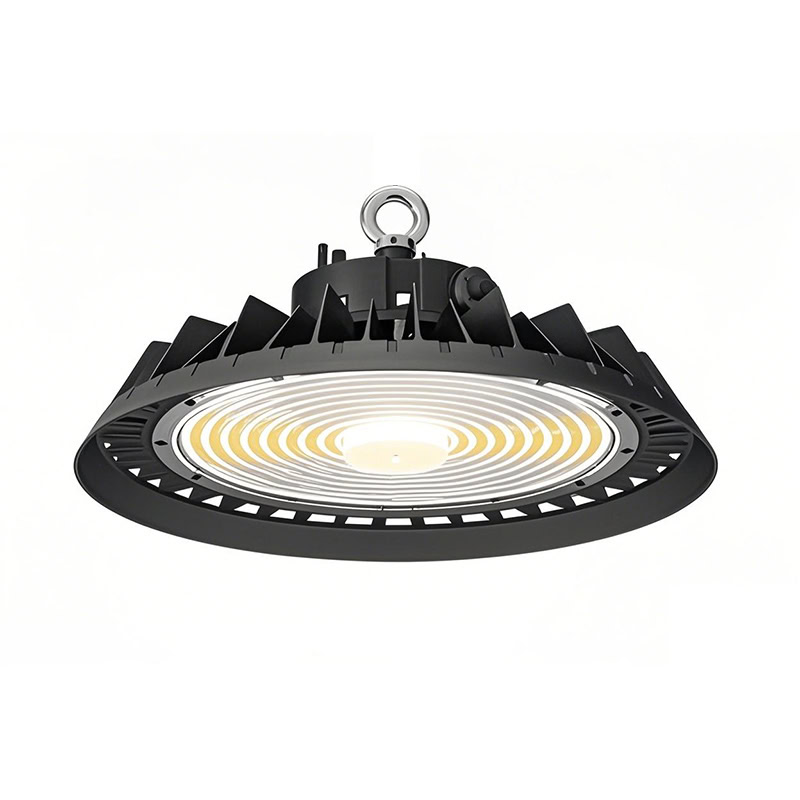


UFO LED High Bay Light Strong Durability

LED High Bay Light - U10 series

IP65 Water Proof Protection Grade
Not only does it adapt to various harsh environments, but it also reduces maintenance costs and the frequency of replacing lamps
Drivers And Dimmable Ways For Option

Screw-in Breather Nut Design


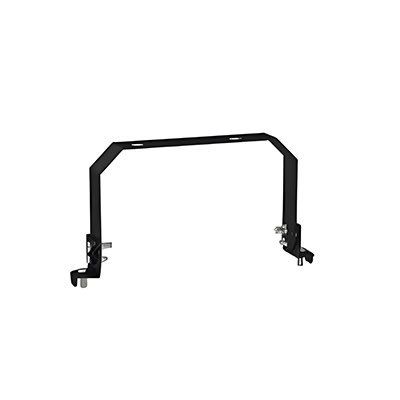
Bracket And Lampshade Combined Design
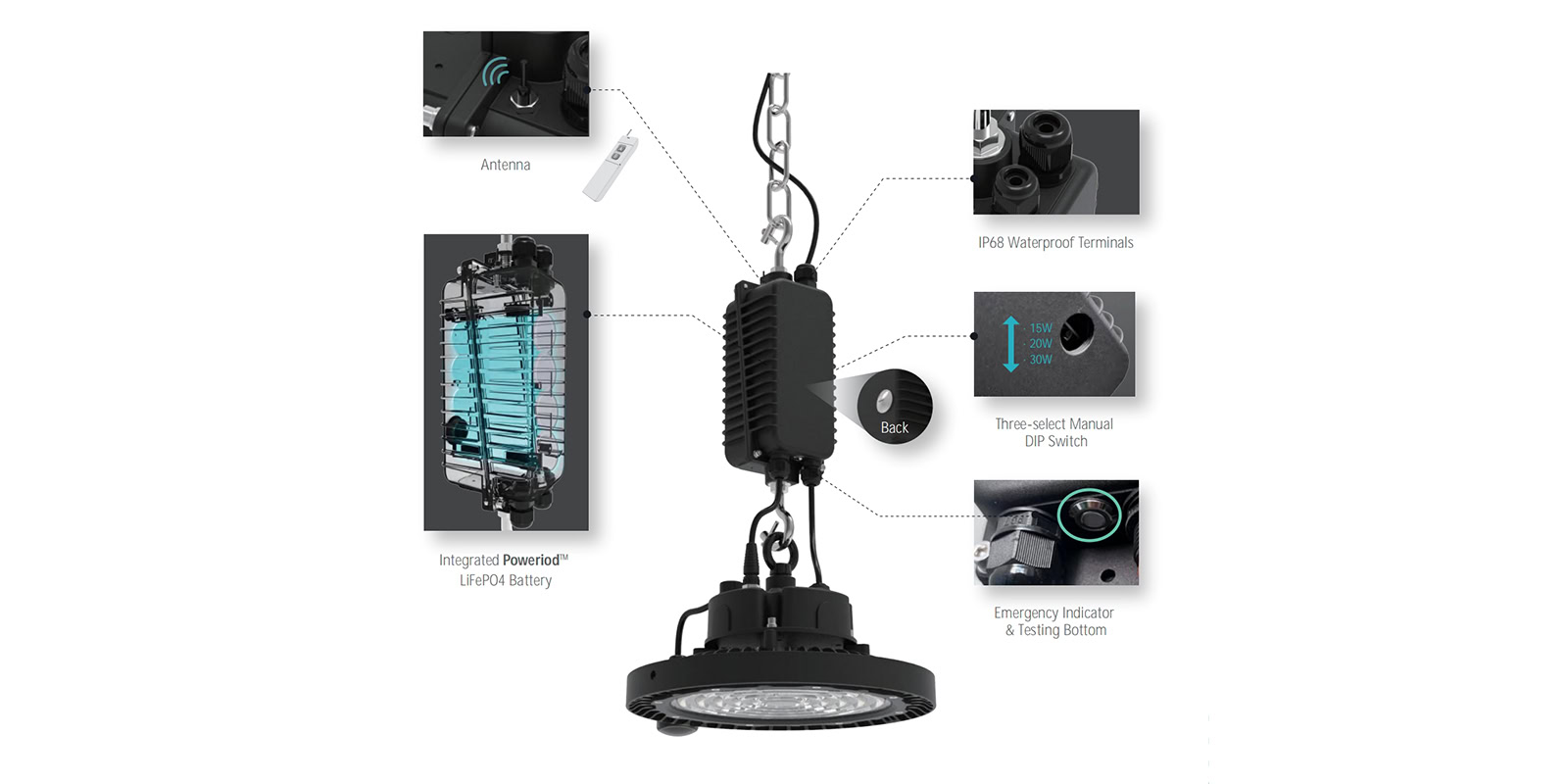
Emergency Kits Function
For High Bay Light
Sensors Optional UFO
LED High Bay


Accesories For LED High
Bay Lights Option
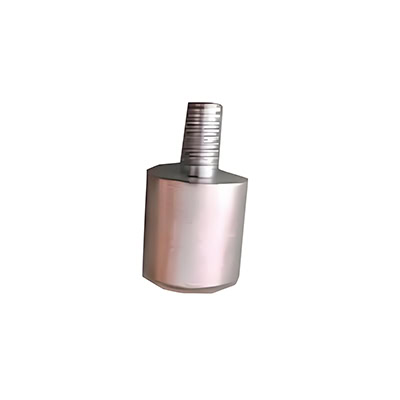
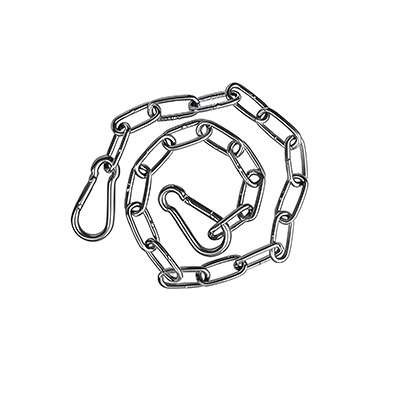
LED High Bay Lights Sizes


Intelligent Control Accesories


Beam Angles Of LED
High Bay Lights
In industrial environments, providing workers with clear and shadow-free working light can enhance work efficiency and reduce the risk of safety accidents caused by insufficient lighting.

Equipped With Lamp
Fittings For Option


Datasheet Of UFO High Bay
Applications In Different Scenarios


Related Products


High Bay Lights FAQs
UFO LED high bay lights are commonly installed in spaces with ceiling heights between 15 and 50 feet (4.5–15 meters). The appropriate wattage and beam angle depend on the mounting height and required illuminance.
The required wattage depends on ceiling height, rack layout, aisle width, and target lux levels. Larger facilities with higher ceilings generally require higher wattage fixtures or higher efficacy solutions.
General warehouse storage areas typically require 150–300 lux, while picking, packing, and inspection areas often require higher illumination levels for accuracy and safety.
Yes. LED high bay lights are a common replacement for metal halide fixtures because they provide higher efficiency, instant startup, better light quality, and lower maintenance costs.
Depending on the existing system, facilities often reduce lighting energy consumption by 50–70% after switching from traditional HID lighting to LED technology.
UFO high bay lights are often preferred for open industrial spaces and manufacturing areas, while linear high bay lights are commonly used in warehouse aisles and retail storage environments.
Higher luminous efficacy means more light output per watt consumed. This allows facilities to achieve target illumination levels while reducing electricity costs and fixture quantities.
In warehouses and factories, lighting fixtures may be exposed to accidental impacts from forklifts, equipment, or moving materials. High-impact resistance helps improve reliability and reduce maintenance costs.
Yes. Motion sensors can automatically dim or switch off lighting in unoccupied areas, helping reduce energy consumption while maintaining safety and visibility where needed.

